Paper Doesn't Crash: Why Physical Records Still Matter in a Digital World
For decades, the “paperless office” has been treated as an inevitability: scan everything, store it in the cloud, and free the business from archive rooms and filing cabinets forever. Organisations have invested heavily in digitising records, deploying cloud platforms, and reducing the footprint (and cost) of onsite storage. The convenience is real—searchability, remote access, and collaboration have changed how work gets done.
But the modern threat landscape has changed the question. Ransomware attacks don’t just steal data; they deny access to it. Cloud outages and service disruptions can cascade across regions. Credential compromise and data breaches can lock teams out of the very systems they depend on. When business interruptions happen, the priority is no longer “Where is the data stored?” but “Can we still reach it when it matters?”
That creates an uncomfortable possibility: have we gone full circle when it comes to information protection? Not because digital transformation failed, but because resilience requires more than one mode of access. The most resilient organisations don’t choose between physical and digital records—they use both.
The Shift from Physical Storage to Digital Document Storage
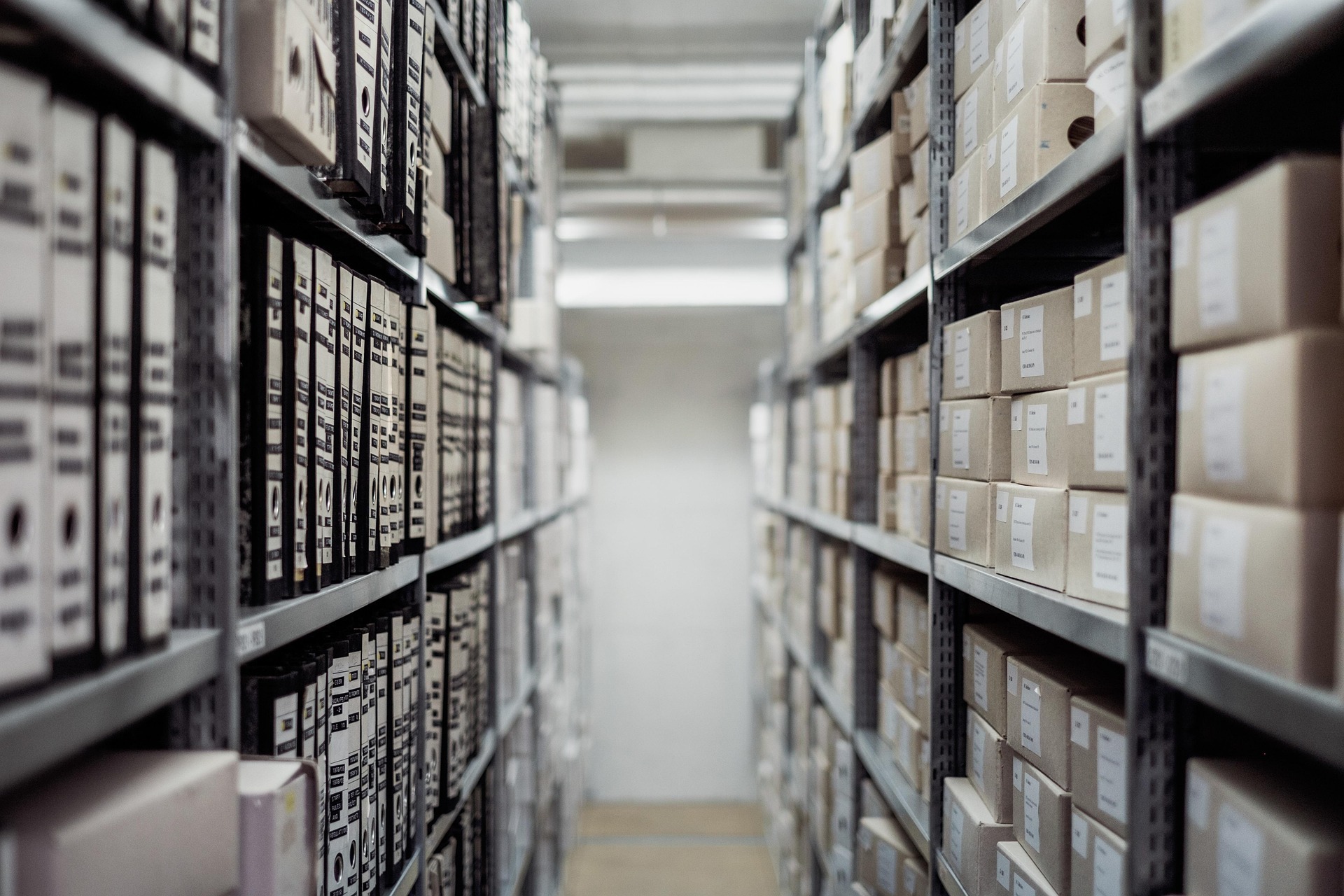
Before cloud platforms and enterprise content systems, records management was physical by default. Companies relied on filing cabinets, archive rooms, and operational routines built around paper. When onsite space ran out—or when compliance and retention requirements grew—many turned to offsite records storage. It was a practical extension of the office: boxes were catalogued, transported, and retrieved on demand. Tape vaulting also became standard practice for IT teams, creating dependable offline backups for disaster recovery.
The rise of digital document storage changed the experience of information. Instead of waiting for a file to be pulled from an archive, users could retrieve documents in seconds. Modern digital document storage systems enabled remote work long before it became a necessity, supporting version control, permissions, and faster collaboration across departments and locations.
It’s easy to see why digital-first approaches took hold. Digital document storage solutions can reduce physical storage costs, improve retrieval, and standardise governance through retention rules and audit trails. For many organisations, the shift wasn’t simply about saving space; it was about making information usable at scale.
The key message is worth stating plainly: digital transformation has delivered significant advantages. The challenge is what happens when the connected world those advantages depend on becomes unavailable.
The New Risks of a Fully Connected World
In a networked business environment, the primary risk isn’t that data disappears—it’s that it becomes inaccessible at the worst possible time.
Ransomware and backup targeting. Ransomware protection has evolved into a race against adversaries who understand how organisations recover. Attackers increasingly target servers, cloud environments, and backup repositories precisely because backups are the escape hatch. If backups are online, discoverable, and reachable, they can be encrypted too. The result is an operational crisis: the business may still “have” its data but cannot use it.
Cloud dependency and service disruption. Cloud services are resilient, but not invulnerable. Outages, misconfigurations, supplier incidents, and regional disruptions can cut access to critical systems. Credential compromise can also create a self-inflicted outage: if identity and access management is impacted, teams may be locked out of everything from contracts to invoices.
Business continuity under real constraints. Business continuity is tested when assumptions fail—when systems are down, networks are offline, or a breach forces containment. What happens when critical information becomes unavailable for hours, days, or longer? The issue is no longer storage capacity; it’s accessibility during disruption.
This is where cyber resilience becomes a business capability, not an IT project. A resilient organisation designs for continuity of operations, including the continuity of information.
When Systems Go Down, Paper Doesn't Crash
Paper is not “better” than digital. It is slower to search, harder to duplicate at scale, and more demanding to store and govern. But it has one advantage that matters during disruption: it doesn’t rely on a functioning network, identity provider, endpoint fleet, or cloud console to be readable.
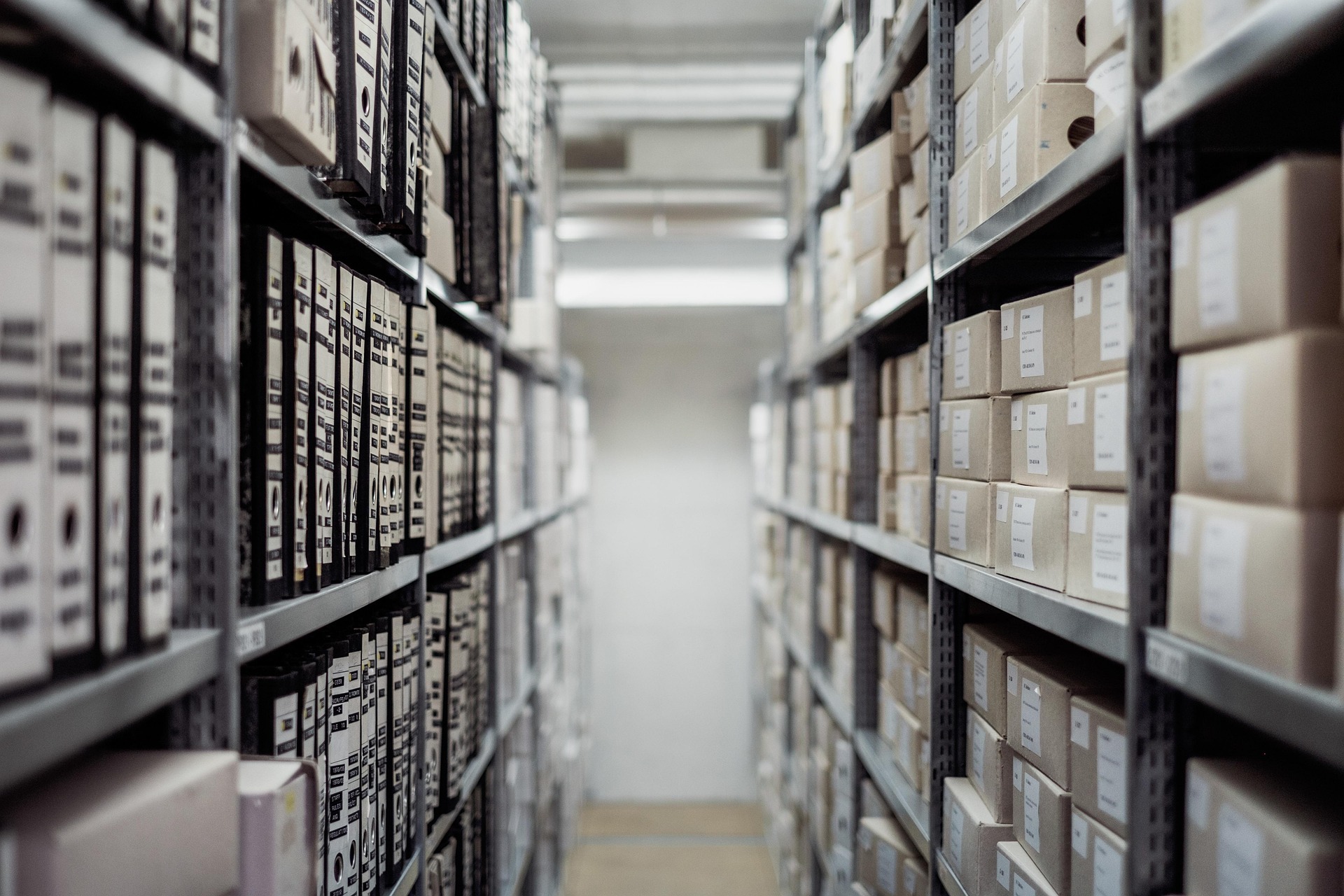
Physical records cannot be encrypted remotely. They can’t be locked behind a multifactor prompt, a revoked certificate, or a compromised admin account. In the simplest terms, they keep working when systems don’t. That makes physical archives a meaningful additional layer of resilience, especially for documents that are operationally critical, legally sensitive, or required for regulated processes.
You can't lock a filing cabinet with ransomware.
This is not an argument for returning to paper-heavy workflows. It is an argument for separation. Secure archive facilities and disciplined physical records management create distance from cyber threats: not the distance of denial (“we don’t need digital”), but the distance of redundancy (“we can still operate if digital access is disrupted”).
That redundancy can take several forms:
- Physical masters for high-value records: wet-ink signed contracts, corporate governance documents, certain compliance records, and documents with evidential weight.
- Managed offsite records storage: controlled environments, tracked retrieval, and retention governance that supports audits and legal obligations.
- Defined access procedures during an incident: who can retrieve what, how approvals work, and how the business continues without digital workflows.
In commercial investigation terms, this is where organisations reassess what “secure” really means. Secure digital document storage is essential—but “secure” should also include “accessible during disruption". A hybrid approach answers both.

Why Tape Vaulting Is Making a Quiet Comeback
One of the most interesting developments in modern cyber resilience is how often it resembles traditional practice. Tape vaulting, once considered old-fashioned, has regained attention because it aligns with a core principle of ransomware defence: remove recovery copies from the attacker’s reach.
Air-gapped backups and offline protection. Air-gapped backups create separation between production systems and recovery media. If backup repositories are not continuously connected, they are harder to discover, harder to encrypt, and harder to corrupt. In a crisis, that separation can make the difference between rapid restoration and prolonged downtime.
Long-term retention and predictable recovery. Tape is also well suited to long retention periods and defined recovery processes. In many environments, it complements modern backup platforms by providing an offline “last line of defence". Tape vaulting supports disaster recovery planning precisely because it assumes that some failures will be large, messy, and adversarial.
Operational realism. The goal isn’t to replace cloud backups; it’s to avoid a single point of failure. Some of the oldest data protection methods are proving surprisingly relevant in the fight against modern cyber threats—especially when ransomware protection must account for attackers who deliberately target recovery paths.
In practice, tape vaulting works best as part of a broader resilience posture: clear recovery objectives, rehearsed restores, and governance that treats backups as critical infrastructure—not an afterthought.
The Future Is Not Paper vs Digital. It's Both
A resilient information strategy is not a debate between formats. It’s a design problem: how to balance accessibility, compliance, and continuity.
For most organisations, the most effective model is layered:
- Secure digital document storage for day-to-day access, collaboration, auditability, and controlled permissions.
- Document scanning and digital storage services to digitise physical records, reduce handling of originals, and make information searchable without discarding the master copy.
- Offsite records storage for regulated retention, physical security, and rapid access to critical records when systems are unavailable.
- Tape vaulting to support air-gapped backups, offline recovery, and resilient disaster recovery options.
- Business continuity services that connect the operating model to the incident plan—so information access is treated as a continuity requirement.
Done well, this approach reduces risk without creating unnecessary friction. Digital storage of documents remains the default for speed and scale, while physical holdings and offline media provide separation that supports continuity under pressure. In other words, the strongest organisations don’t choose: they combine modern digital document storage systems with proven offline safeguards.
What's Next
Digital transformation remains essential, and cloud platforms remain valuable. But a digital-only worldview can underestimate the reality of outages, breaches, and ransomware-driven disruption. The organisations that withstand those moments are the ones that plan for continued access to critical information through multiple paths.
The question isn’t whether paper storage is making a comeback. The real question is whether your organisation can still access critical information if systems fail, networks go offline, or cyber attacks strike. If you want a practical next step, explore our digital document storage and document scanning services to keep your records secure.